
Allergy Blog
Allergy Travel Checklist 2026 | Travelling with Allergies, Asthma & Food Allergies
Jun
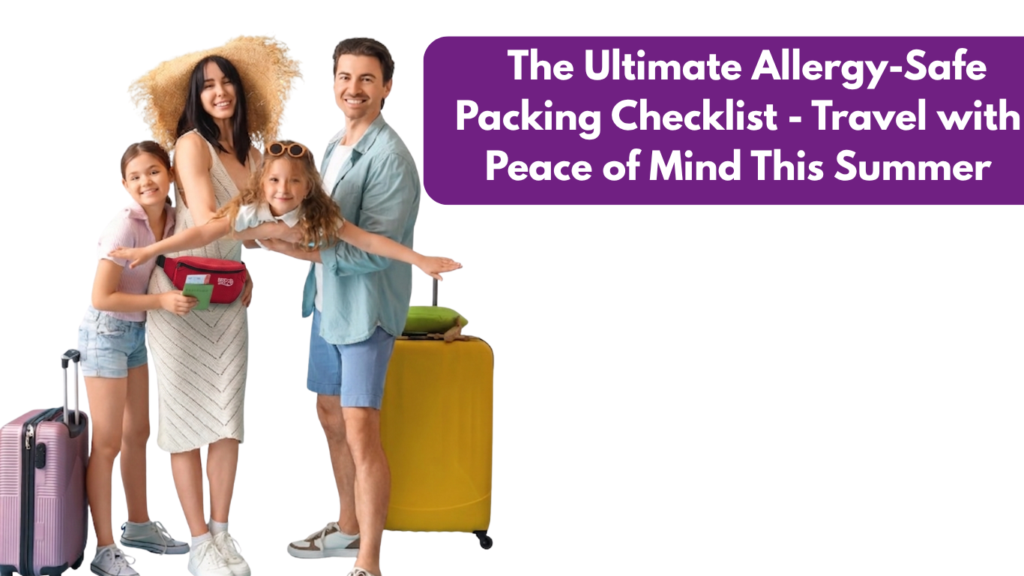
Can you imagine? Summer is here, and with it comes the excitement of long-awaited holidays. But if a family member lives with severe allergies, hay fever, or asthma, travel takes more than just packing a suitcase. It takes a strategic approach.
If you are travelling with allergies, preparation is essential. Whether managing food allergies, anaphylaxis, asthma, hay fever, or insect venom allergies, having a comprehensive allergy travel checklist can help families stay safe and enjoy a holiday with confidence. This guide covers everything needed before travelling with allergies, from EpiPens and medications to allergy-friendly snacks and travel accessories. Following an allergy travel checklist ensures a dream holiday does not turn into a medical emergency.
Allergy Travel Checklist Quick Summary
Before leaving home, ensure these essential items are packed and ready:
Two adrenaline auto-injectors (must be kept in carry-on luggage)
Signed Allergy Action Plan and valid prescriptions
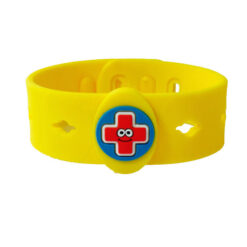
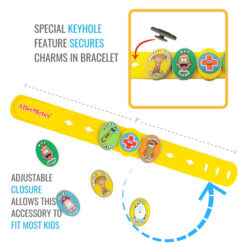
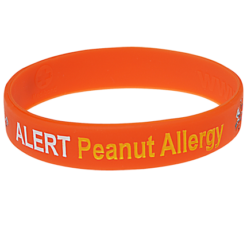
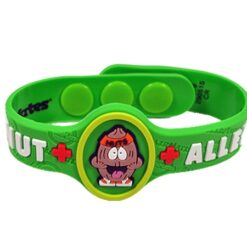
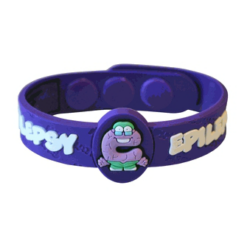
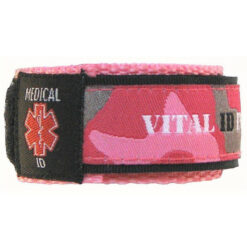
Medical ID bracelet or alert tag
Antihistamines (both daily non-drowsy and fast-acting liquid versions)
Asthma inhalers and spacers
Safe, certified allergy-friendly snacks
Professional allergy translation cards
Allergen-safe wet wipes for surface cleaning
Dust mite travel pillow covers
Hypoallergenic, pre-tested toiletries and sunscreen
About Allergy Lifestyle
At Allergy Lifestyle, we have supported families managing severe allergies like our own for over 19 years. Lived experience with life-threatening food allergies provides first-hand expertise in travelling with allergies, managing strict dietary requirements, and preparing for medical emergencies away from home. This guide combines that real-world experience with practical solutions.
1. Allergy Travel Checklist: Essential Safety Items to Pack
Before thinking about clothes or toiletries, pack the ultimate lifeline. These items must travel in a carry-on bag or on one’s person at all times never in checked luggage.
Adrenaline Auto-Injectors (EpiPens)
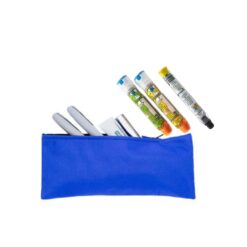
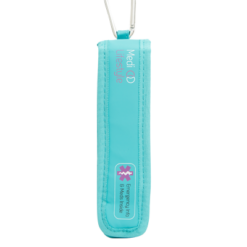
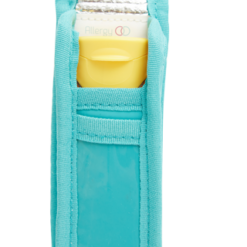
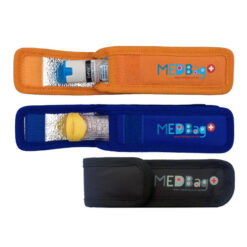
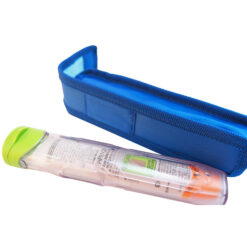
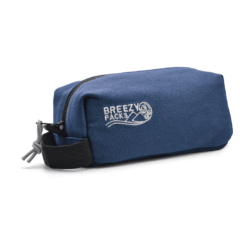
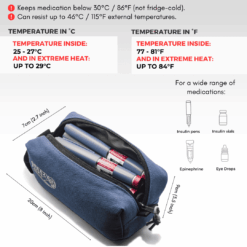
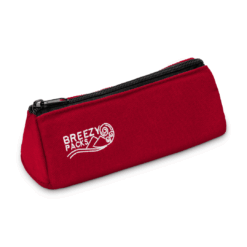
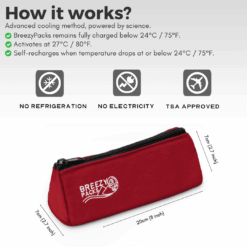
Always carry at least two adrenaline auto-injectors. Check they are in date before you travel, and store them in a protective insulated case to maintain the correct temperature throughout your journey. If one is used in an emergency, you need a backup immediately to hand.
Allergy Action Plan and Prescriptions
Carry a signed copy of your Allergy Action Plan and copies of your prescriptions. These are essential for airport security, and if you need emergency medical treatment abroad, healthcare staff will need them to act quickly.
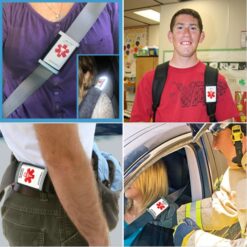
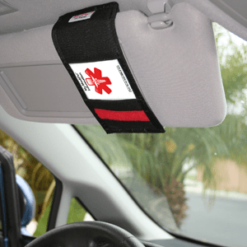
Medical Alert Bracelet or ID Tag
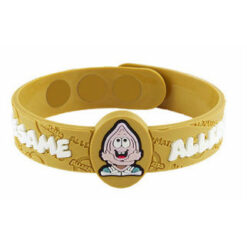
In an emergency, a Medical Alert Bracelet or Medical ID tag communicates your allergy when you cannot speak for yourself. This is a simple but potentially life-saving addition to your travel kit.
2. Travelling with Allergies: Medication Checklist
Do not rely on finding a local pharmacy abroad that stocks your exact medication or brand. Pack enough for the full duration of your trip, plus an extra three to four days as a buffer in case of delays.
- Antihistamines: Pack both a non-drowsy daily option and a fast-acting liquid version for acute reactions.
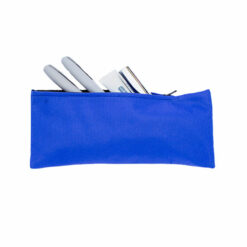
- Asthma Inhalers: Humidity, air quality, and allergen exposure all change when you travel. Keep your inhaler in a dedicated medical pouch for quick access.
- Steroid Creams: Essential for managing unexpected eczema flare-ups or skin reactions to unfamiliar sunscreens, detergents, or plant contact.
3. Travelling with Food Allergies: Eating Safely Abroad
Cross-contamination is one of the greatest risks for food allergy sufferers when travelling. Having your own supply of safe food creates a controlled “safe zone” no matter where you are.
Non-Perishable Safe Snacks
Pack certified nut-free, gluten-free, or allergen-free bars and snacks for flights, long journeys, and situations where safe food is not available. Always check labels carefully before travel.
Chef Cards and Allergy Translation Cards
If you are travelling to a country where you do not speak the local language, professional Allergy Translation Cards are essential. These clearly explain your allergy and its severity to restaurant staff, reducing the risk of dangerous misunderstandings.
Allergen-Safe Wet Wipes
Hand sanitiser does not remove food allergen proteins such as peanut residue. Use allergen-safe wet wipes to clean your hands, airline tray tables, armrests, and any surface you will eat from or touch before eating.
4. Allergy Holiday Checklist: Hotel and Bedding Comfort
Hotel pillows, duvets, and linens can harbour dust mites and may be laundered with heavily fragranced detergents that trigger contact dermatitis or eczema flare-ups.
- Travel Pillow Covers: Pack dust-mite-proof pillow covers to create a protective barrier between you and hotel bedding.
- Fragrance-Free Toiletries: Bring your own eczema-friendly soaps, shampoos, and body washes rather than relying on the highly scented products typically provided by hotels.
5. Hay Fever and Outdoor Allergy Travel Tips
Summer holidays mean more time outdoors, which increases your exposure to pollen, insect stings, and allergens in sunscreens. Plan ahead with the right outdoor protection.
- Hypoallergenic Sunscreen: Many standard sunscreens contain nut-derived oils or added fragrances. Stick to brands you have tested at home before travelling.
- Nasal Sprays and Eye Drops: For hay fever sufferers, these are essential companions for long days of sightseeing, particularly in areas with high pollen counts.
- Insect Sting Protection: If you have a known venom allergy, keep your emergency kit within reach at all times during outdoor activities such as hiking, picnics, or beach trips.
Expert Travel Tip
The safest and most effective strategy for managing allergy travel is maintaining a single, dedicated medical kit that stays with you at all times. Lost luggage, delays, or theft can happen anywhere in the world, and essential life-saving medications must never be out of reach.
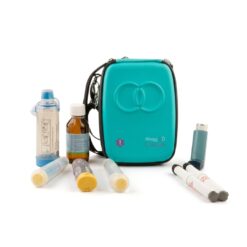
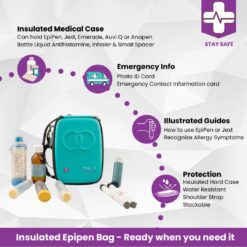
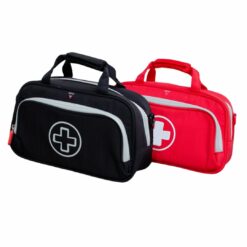
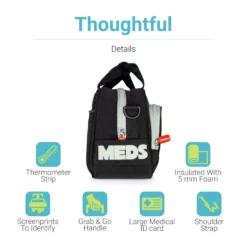
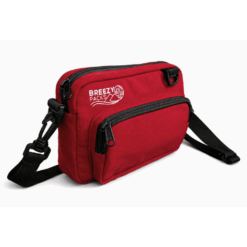
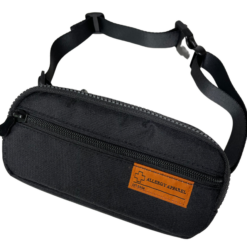
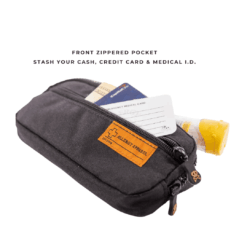
The Medical Kit (Carry-On): Keep all adrenaline auto-injectors (EpiPens), antihistamines, asthma inhalers, spacer devices, and your signed Allergy Action Plan together in one secure, easily accessible travel bag. This kit must remain in your hand luggage or on your person throughout the journey; never place it in checked baggage.
The Prescriptions: Always carry the official medical prescriptions alongside the kit. Keeping a duplicate copy of these prescriptions in a separate personal item or digital folder ensures that if you ever need to replace your medical kit at a local pharmacy abroad, you have the necessary documentation ready to present immediately.
Useful Products when travelling with allergies.
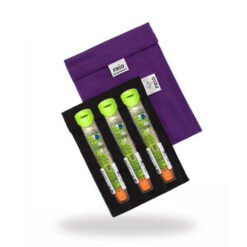
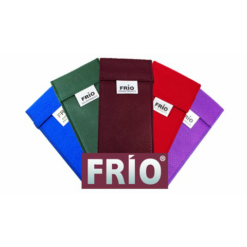
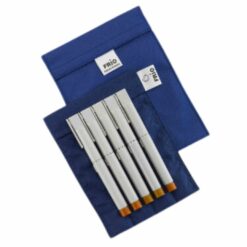
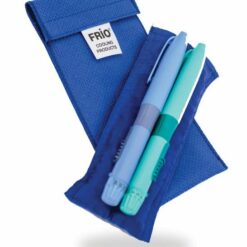
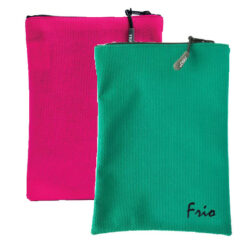
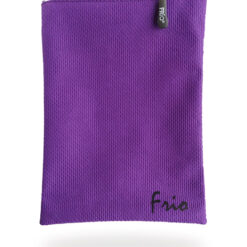
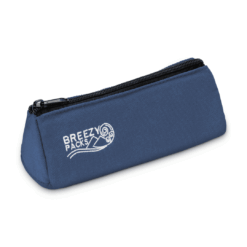
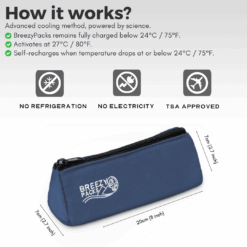
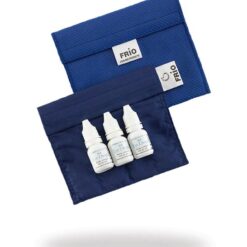
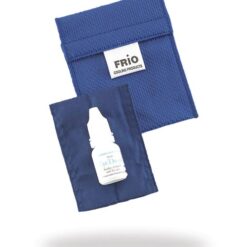
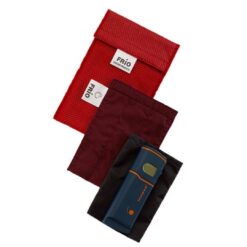
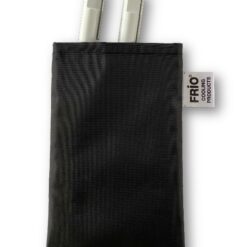
Consider an insulated wallet such as FRIO. FRIO wallets keep your adrenaline autoinjector within safe temperatures of 18-26°C (64.4-78.8°F) for a minimum of 45 hours, even in a constant environmental temperature of 37.8°C (100°F).
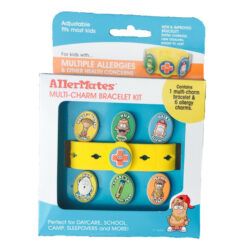
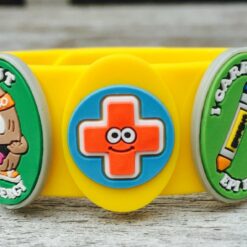
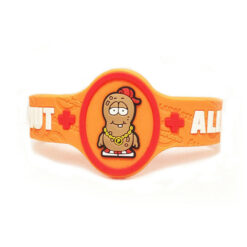
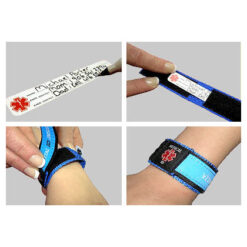
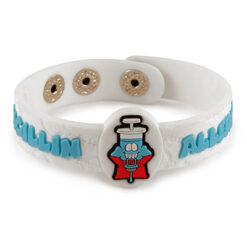
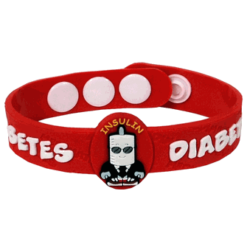
- Wear a medical alert wristband with allergy or medical information and emergency contact numbers
Frequently Asked Questions About Travelling with Allergies
Can I carry an EpiPen in my hand luggage?
Yes. In most countries, adrenaline auto-injectors are permitted in carry-on bags and are generally exempt from standard liquid restrictions. Carry a copy of a prescription and a doctor’s letter to speed up airport security checks. Always check the specific rules of the airline before travelling.
Can EpiPens go in checked luggage?
While EpiPens and other adrenaline auto-injectors (such as Jext, Anapen, neffy or Auvi Q) are technically allowed in checked luggage, all essential adrenaline auto-injectors and medicines need to be on your person and therefore in your carry-on bag for three important reasons:
Immediate access in an emergency – If you experience an allergic reaction during the flight, your medication must be with you. You will not be able to access checked baggage while in the air. For quick access, keep your EpiPens in a small personal bag stored under the seat or pocket in front of you rather than in hand luggage placed in the overhead locker.
Temperature fluctuations in the baggage hold – Although most modern aircraft holds are pressurised and temperature controlled, temperatures can vary during loading, unloading, and flight. Adrenaline auto-injectors should be stored according to the manufacturer’s instructions and protected from extreme heat and cold.
Checked luggage can be lost or delayed – Airlines occasionally misplace or delay checked baggage. Keeping your essential allergy medications with you ensures you are never left without access to life-saving treatment.
For these reasons, allergy specialists strongly recommend carrying your EpiPens and other essential allergy medications in your cabin bag or on your person throughout your journey. If you choose to pack a spare set in checked luggage, ensure you still have at least two in-date auto-injectors with you in the cabin at all times.
Travel Tip: Let your travelling companions know where your emergency medications are stored and how to recognise the signs of an allergic reaction. If you have an Allergy Action Plan, keep a copy with your medication so others can quickly help in an emergency.
What should I pack when travelling with food allergies?
An effective food allergy travel checklist includes a signed medical action plan, at least two adrenaline auto-injectors, professional allergy translation cards for dining out, allergen-safe wet wipes for tray tables, and enough non-perishable safe snacks to cover flight times and potential travel delays.
How do I travel safely with severe allergies?
Wipe down airplane or public surfaces, carry translated chef cards to communicate cross-contamination risks to restaurant staff, and locate the nearest hospital or medical centre relative to the holiday accommodation before arriving.
Do I need a doctor’s letter to fly with an EpiPen?
Yes, carrying an official doctor’s letter and a valid prescription is highly recommended. This documentation confirms the medical necessity of carrying auto-injectors and needles, ensuring a smooth process through airport security checkpoints worldwide.
Travel Prepared, Travel Confidently
A well-prepared allergy travel kit does not need to be complicated. It simply needs to be thorough and consistent. By following this allergy travel checklist and equipping yourself with the right products, you can step into summer knowing you are ready for whatever comes your way.
For more allergy travel guidance, read our blog on Top Tips for Travelling with Allergies.
Safe travels.
Disclaimer: The information provided is for informational purposes only and is not intended to be a substitute for professional medical advice, diagnosis or treatment. Allergy Lifestyle Limited (t/a) Allergy Lifestyle) uses reasonable endeavours to check the accuracy of information provided however no warranty is given that they are error-free. Always seek the advice of an allergy specialist and follow your anaphylaxis emergency care
Check our bestsellers!
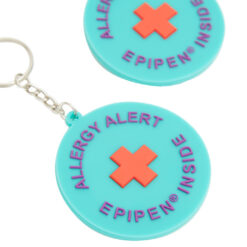
Allergy & Medical Keychain
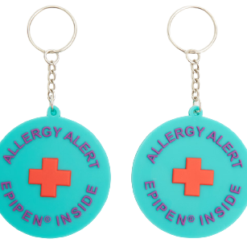
Allergy Alert Keychain Twin Pack – Medical Alert for EpiPens
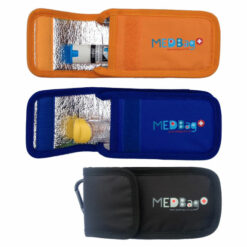
Epipen Cases
Asthma Shop
Diabetes Shop
Diabetes Shop

Epipen Cases

Gluten Free Shop
Gluten Free Shop
Kids Allergy Wristbands
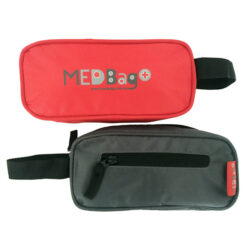
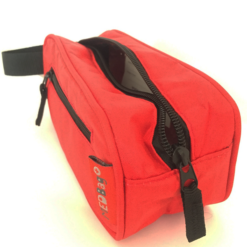
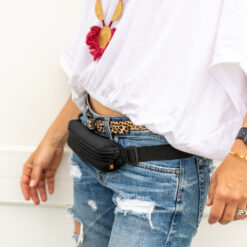
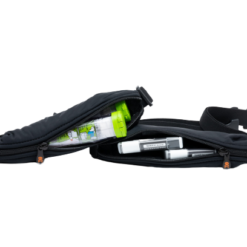
Epipen Cases

Allermates Allergy Wristbands
Diabetes Shop
Diabetes Shop
Epipen Cases
Gluten Free Shop
Asthma Shop
Allergy Wristbands
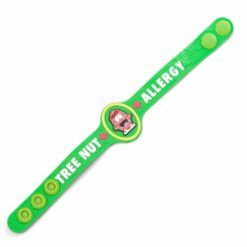
Allermates Allergy Wristbands
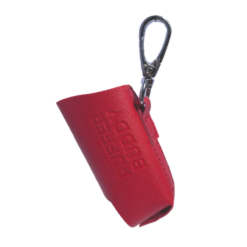
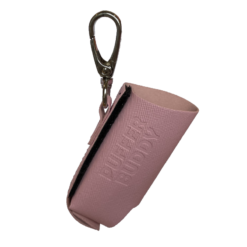
Asthma Inhaler Cases
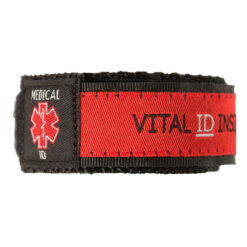
Diabetes Shop
Gluten Free Shop

Gluten Free Shop
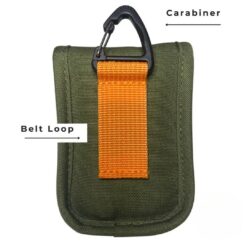
Asthma Inhaler Cases
Kids Allergy Wristbands
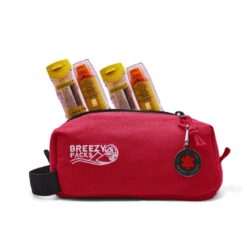
Allergy Shop
Gluten Free Shop
Kids Allergy Wristbands
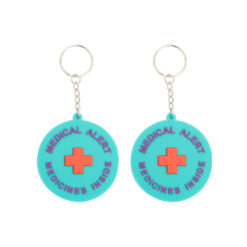
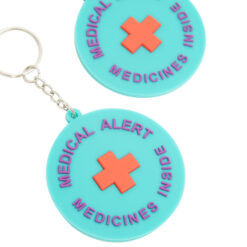
Allergy & Medical Keychain
Allergy Labels & Tags
Allermates Allergy Wristbands
Kids Allergy Wristbands
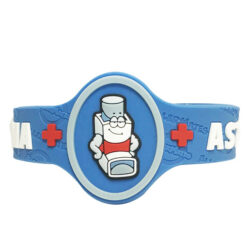

Allermates Allergy Wristbands
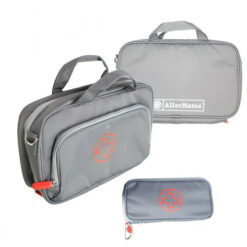
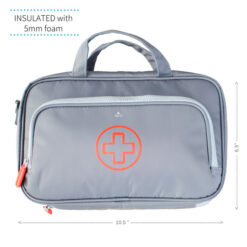
Asthma Inhaler Cases
Kids Allergy Wristbands
Allermates Allergy Wristbands
Epipen Cases
Allermates Allergy Wristbands
Allermates Allergy Wristbands
Kids Allergy Wristbands
Gluten Free Shop
Diabetes Shop
Gluten Free Shop
Allermates Allergy Wristbands
Kids Allergy Wristbands


Asthma Shop
Diabetes Shop
Allermates Allergy Wristbands
Kids Write On Wristbands
Allergy Shop
Diabetes Shop
Allermates Allergy Wristbands
Kids Allergy Wristbands
Diabetes Shop
Autism Wristbands
Kids Allergy Wristbands
Kids Allergy Wristbands
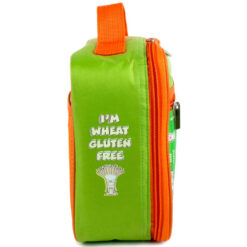
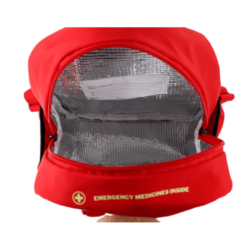
Allergy Friendly Lunch Bag
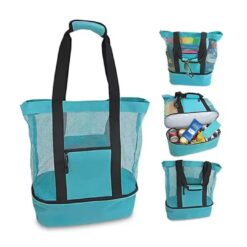

Asthma Shop


Asthma Shop
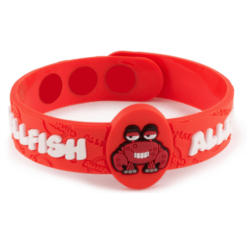
Allermates Allergy Wristbands
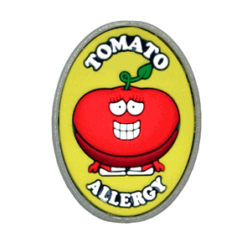
Kids Allergy Wristbands

Premium Mulberry Silk Filled Duvets
Asthma Shop
Premium Mulberry Silk Filled Duvets

Gluten Free Shop
Kids Allergy Wristbands

Multi Allergy Wristbands
Diabetes Shop

Asthma Shop
Asthma Shop
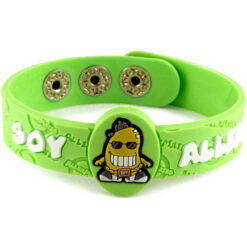
Allermates Allergy Wristbands
Multi Allergy Wristbands
Asthma Shop
Diabetes Shop
Luxury Mulberry Silk Filled Bedding Range
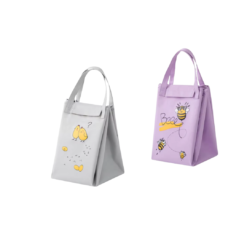
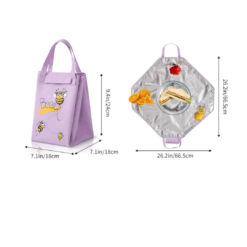
Allergy Friendly Lunch Bag
Allergy-Friendly Insulated Lunch Bag with Fold-Out Eating Surface
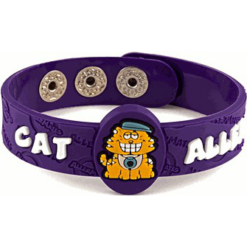
Allermates Allergy Wristbands
Asthma Shop
Asthma Shop
Premium Mulberry Silk Filled Duvets