

Allergy Blog
How long does anaphylaxis last?
Mar
How Long Does Anaphylaxis Last? A Science-Backed Guide for Everyone
What is Anaphylaxis
Anaphylaxis is a serious and rapid allergic reaction that can become life-threatening without immediate treatment. For anyone living with severe allergies, the possibility of anaphylaxis can be worrying, particularly as a parent to a child with allergies. Understanding how quickly it can begin, how long symptoms may last, and what recovery can look like can help people feel more prepared in an emergency. In this guide, we explain what happens during anaphylactic shock, how long symptoms typically last, and what research tells us about symptom duration and the possibility of a second reaction.
Symptoms of Anaphylaxis?
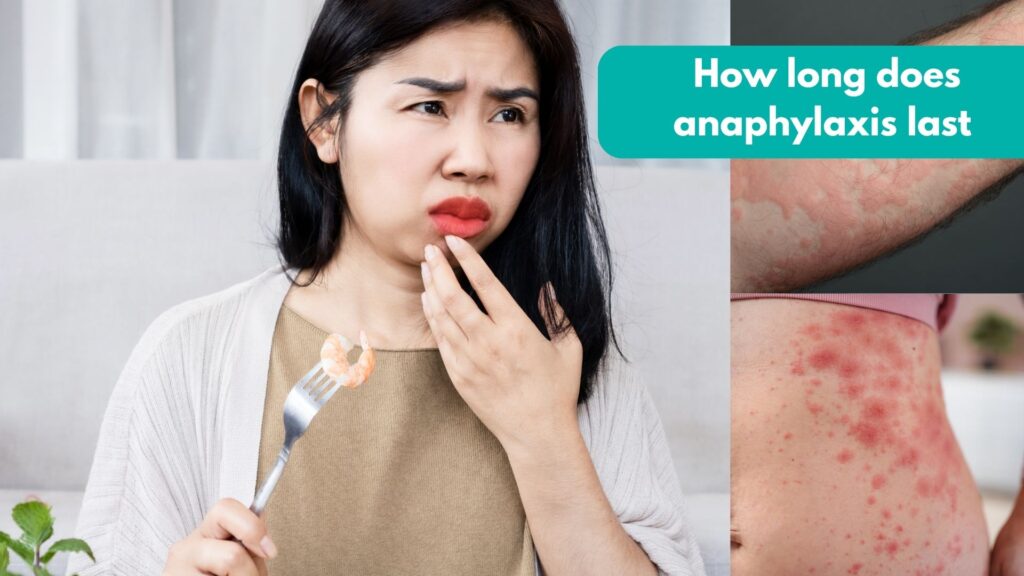
Anaphylaxis is an acute allergic reaction affecting multiple body systems, including the skin, respiratory tract, gastrointestinal system, and cardiovascular system. It often occurs after exposure to triggers like foods, medications, insect stings, or latex. Symptoms can include hives, rash, swelling of eyes or face, lips or tongue, difficulty breathing, tightening of the throat, wheeze or repetitive cough, low blood pressure, pale, floppy or dizziness. Immediate treatment with epinephrine (adrenaline) is critical because the reaction can progress within minutes.
How Quickly Does Anaphylaxis Progress?
In most cases:
- Symptoms typically develop within 5 to 30 minutes after exposure.
- However, reactions may sometimes take up to an hour or longer to begin, especially with food triggers.
Treatment of Anaphylaxis
Anaphylaxis is a medical emergency and must be treated immediately. The first-line treatment for anaphylaxis is epinephrine (adrenaline) administered using an auto-injector such as an EpiPen, Jext, Auvi Q or AllerJect or Neffy Nasal Epinephrine spray.
- Use an Epinephrine Auto-Injector Immediately
At the first signs of anaphylaxis, administer epinephrine into the outer thigh muscle following the instructions on your prescribed auto-injector or use your prescribed nasal epinephrine spray. For more on Neffy, read our Neffy Frequently Asked Questions Blog. Epinephrine is safe and lifesaving. If you suspect anaphylaxis, it is always safer to give the injection.
- Call Emergency Services
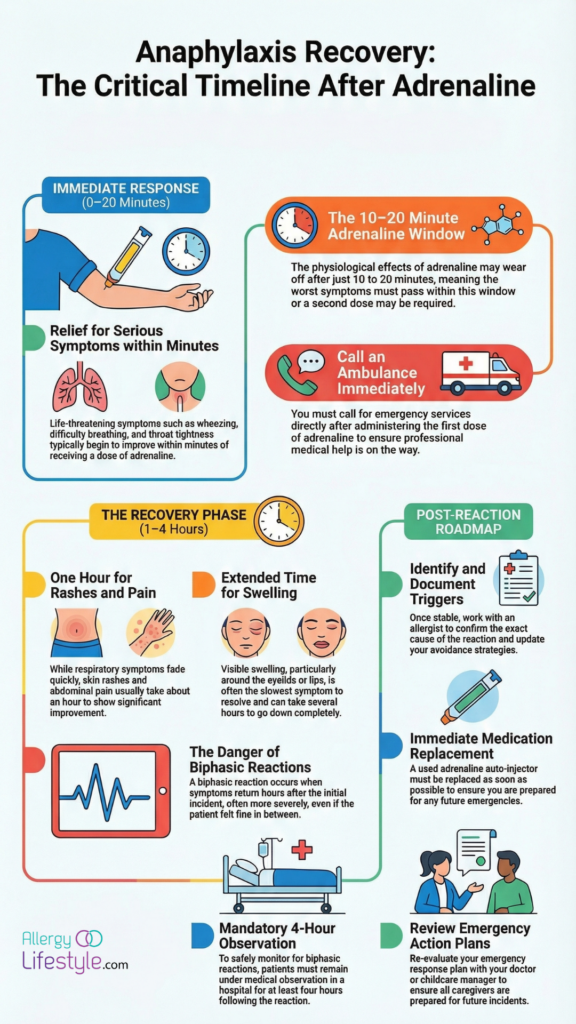
After administering epinephrine, call emergency services immediately (112 in Ireland and the UK and EU or 911 in the USA). Even if symptoms improve, medical evaluation is essential because a second reaction (biphasic reaction) can occur hours later.
- Lie Down and Elevate the Legs
If possible, the person should lie flat with their legs elevated to help maintain blood flow. If they are vomiting or having difficulty breathing, they may need to sit up or lie on their side.
- Give a Second Dose if Needed
If symptoms do not improve within 5–10 minutes, a second dose of epinephrine may be required if another auto-injector is available.
Because anaphylaxis can happen unexpectedly, people at risk should always carry two epinephrine auto-injectors with them at all times.
Typical Duration of Anaphylaxis Symptoms
How long does it takefor symptoms to resolve after epinephrine?
After a dose of epinephrine:
- Severe symptoms like wheezing and throat tightness often improve within minutes.
- This is because epinephrine quickly reverses the dangerous effects on blood vessels and airways.
However:
- Some symptoms, such as hives, pain, or mild swelling, may take hours to fully resolve.
Most Reactions Resolve Within Hours
Research shows:
- Most anaphylactic episodes follow a uniphasic pattern, meaning symptoms rise and fall once and typically resolve within a few hours after treatment.
- Studies in children found that most symptoms resolved within 1–2 hours, though occasional longer cases occur.
Biphasic Reactions (Second Wave of Symptoms)
Some people experience a biphasic reaction, where symptoms return after an initial resolution even without further allergen exposure.
- Biphasic reactions can occur from 1 to 72 hours after the first reaction, though most happen within 8–10 hours.
- Reported incidence ranges from 1% up to 23% of cases.
Because of this possibility:
- Emergency departments often keep patients under observation for 4–10 hours or more after symptoms appear to monitor for recurrence.
Persistent and Prolonged Reactions
Rarely, anaphylaxis can be prolonged or persistent:
- Some reactions may last continuously for several hours to days in very rare cases.
- Protracted symptoms often occur in more severe cases or if treatment is delayed.
Hospital Observation and Medical Monitoring
Medical professionals may provide additional treatment such as oxygen, IV fluids, antihistamines, or steroids. Medical guidelines generally recommend:
- Observation for at least 4–6 hours after symptoms have fully resolved, especially if epinephrine was needed.
- In more severe or biphasic cases, 8 hours or longer may be necessary.
This monitoring helps detect:
- Recurrence of symptoms
- Respiratory or cardiovascular complications
- Need for further treatment
Why Does Duration Vary So Much? The Science
Anaphylaxis involves complex immune responses:
- Mast cells and basophils release inflammatory mediators like histamine, leukotrienes, and prostaglandins that cause symptoms.
- The speed and severity of these responses differ from person to person.
- Early and adequate treatment with epinephrine usually reduces duration and complications.
No reliable way currently exists to predict which patients will have biphasic or prolonged reactions, so careful monitoring is always advised.
How to Store EpiPens Properly
Proper storage of your epinephrine auto-injector is essential to ensure it works effectively during an allergic emergency.
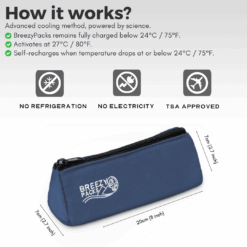
Ideal Temperature for EpiPen Storage – EpiPens should be stored at room temperature between 15°C and 25°C (59°F to 77°F).
Avoid storing them in places where temperatures fluctuate or become extreme.
Where NOT to Store an EpiPen
Do not store your epinephrine auto-injector in:
- Cars during hot or cold weather
- Direct sunlight
- Freezers or refrigerators
- Near heaters or radiators
- Bags that may overheat
- Checked luggage in the hold of an Airplane
Extreme heat or cold can damage the medication, making it less effective when needed most.
Protecting Your EpiPen on the Go
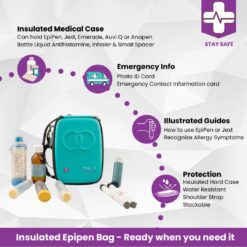
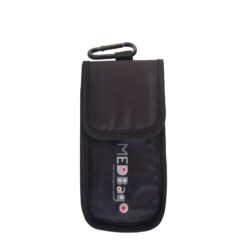
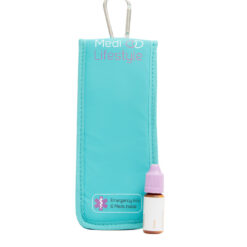
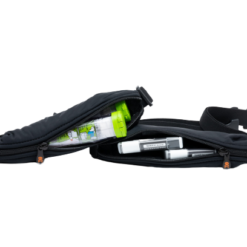
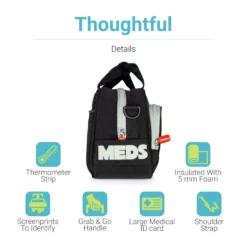
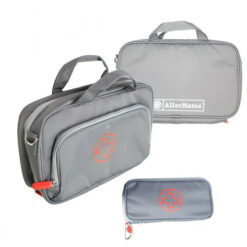
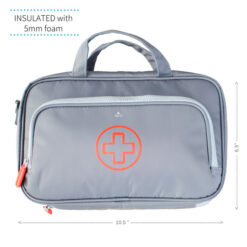
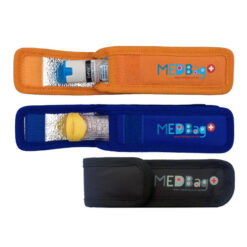
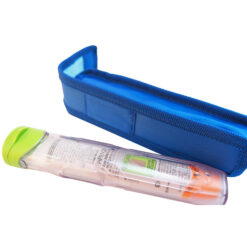
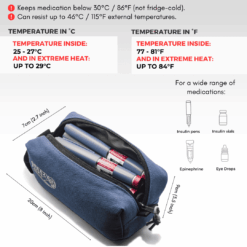
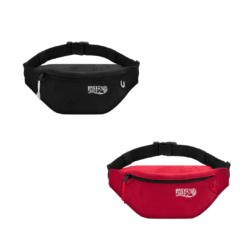
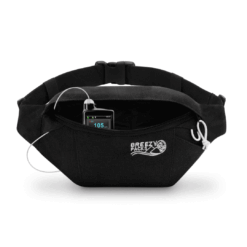
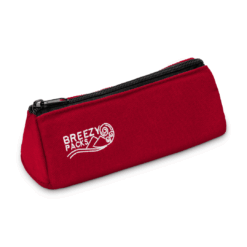
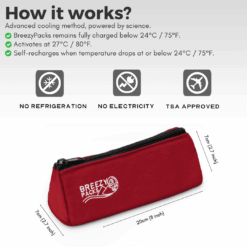
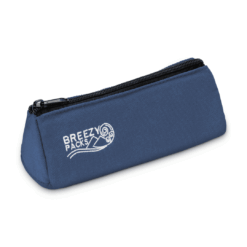
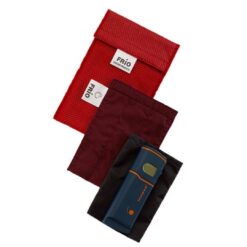
For people with severe allergies, especially children, it is important to keep epinephrine accessible and protected throughout the day. A purpose-designed insulated case can help:
- Protect the medication from temperature changes
- Prevent accidental damage
- Keep auto-injectors easy to find in an emergency
- Allow parents, teachers, or caregivers to quickly identify the medication
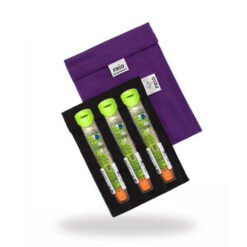
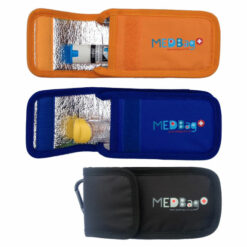
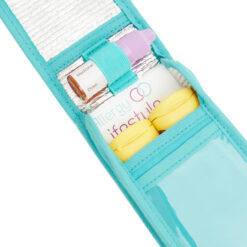
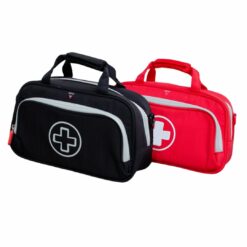
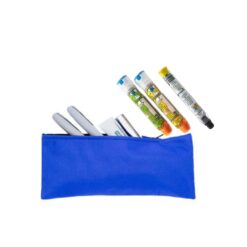
Specially designed insulated EpiPen cases from Allergy Lifestyle are created for families managing severe allergies. These cases help keep medication safe during school, travel, sports, and everyday activities.
You can explore options in our guide on how to choose the best EpiPen case.
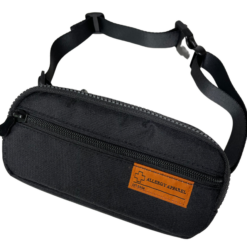
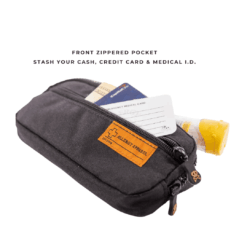
Using a clearly identifiable allergy bag also helps teachers, babysitters, and caregivers respond faster during an emergency.
You can also read our Neffy Frequently Asked Questions for more information.
Disclaimer: The information provided is for informational purposes only and is not intended to be a substitute for professional medical advice, diagnosis or treatment. Allergy Lifestyle Limited (t/a) Allergy Lifestyle) uses reasonable endeavours to check the accuracy of information provided however no warranty is given that they are error-free.
Sources
- https://www.jacionline.org/article/S0091-6749(15)02991-7/fulltext
https://aacijournal.biomedcentral.com/articles/10.1186/1710-1492-10-S1-A5
Check our bestsellers!

Allergy & Medical Keychain
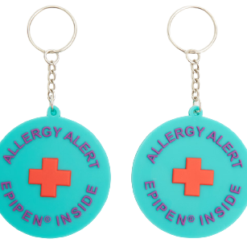
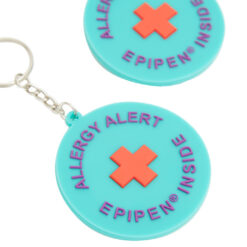
Allergy Alert Keychain Twin Pack – Medical Alert for EpiPens
Epipen Cases
Asthma Shop

Diabetes Shop

Diabetes Shop

Epipen Cases


Gluten Free Shop

Gluten Free Shop
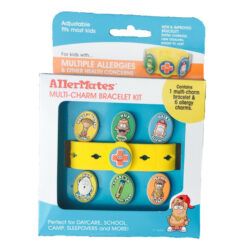
Kids Allergy Wristbands
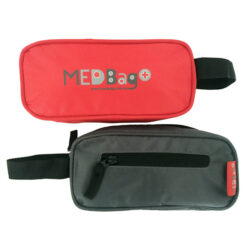
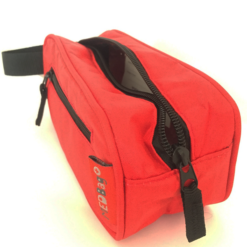

Epipen Cases

Allermates Allergy Wristbands
Diabetes Shop


Diabetes Shop

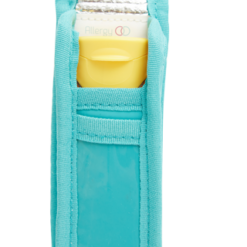
Epipen Cases
Gluten Free Shop

Asthma Shop
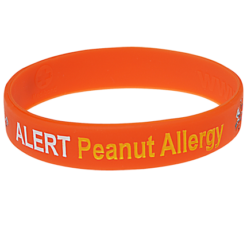
Allergy Wristbands
Allermates Allergy Wristbands
Asthma Inhaler Cases
Diabetes Shop

Gluten Free Shop

Gluten Free Shop

Asthma Inhaler Cases
Kids Allergy Wristbands
Allergy Shop

Gluten Free Shop

Kids Allergy Wristbands
Allergy & Medical Keychain
Allergy Labels & Tags
Allermates Allergy Wristbands
Kids Allergy Wristbands

Allermates Allergy Wristbands
Asthma Inhaler Cases
Kids Allergy Wristbands
Allermates Allergy Wristbands
Epipen Cases

Allermates Allergy Wristbands
Allermates Allergy Wristbands
Kids Allergy Wristbands
Gluten Free Shop
Diabetes Shop
Gluten Free Shop
Allermates Allergy Wristbands
Kids Allergy Wristbands


Asthma Shop
Kids Write On Wristbands
Diabetes Shop
Allermates Allergy Wristbands
Diabetes Shop
Allergy Shop
Allermates Allergy Wristbands
Kids Allergy Wristbands
Diabetes Shop
Autism Wristbands
Kids Allergy Wristbands
Kids Allergy Wristbands

Allergy Friendly Lunch Bag


Asthma Shop


Asthma Shop
Allermates Allergy Wristbands
Kids Allergy Wristbands

Premium Mulberry Silk Filled Duvets

Asthma Shop
Premium Mulberry Silk Filled Duvets

Gluten Free Shop
Kids Allergy Wristbands

Diabetes Shop
Multi Allergy Wristbands


Asthma Shop
Asthma Shop

Allermates Allergy Wristbands
Multi Allergy Wristbands

Asthma Shop
Diabetes Shop
Luxury Mulberry Silk Filled Bedding Range
Allergy Friendly Lunch Bag
Allergy-Friendly Insulated Lunch Bag with Fold-Out Eating Surface
Allermates Allergy Wristbands
Asthma Shop
Asthma Shop
Premium Mulberry Silk Filled Duvets

Allergy Travel Checklist 2026 | Travelling with Allergies, Asthma & Food Allergies
Can you imagine? Summer is here, and with it comes the excitement of long-awaited holidays. [...]
Jun

Best EpiPen Cases for Kids & Adults – Safe Storage for Travel & Everyday Use (2026 Guide)
If you live with severe allergies, carrying an epinephrine auto-injector isn’t optional; it’s essential. Anaphylactic [...]
3 Comments
Jun
Why Parents Need Allergy Alert Keychains, Medical ID Tags & Insulated EpiPen Cases
Making Allergies Visible When It Matters Most Parents of children with allergies know that safety [...]
May
Allergy Friendly Makeup: The Complete Guide for Sensitive Skin
Allergy Friendly Makeup: The Complete Guide for Sensitive Skin Makeup should help you feel confident, [...]
1 Comment
Apr
Best Insulin Cooling Case 2026 Guide
Insulin Travel Cooler Case: Best Cases & FAQs 2026 If you use insulin, keeping it [...]
Apr
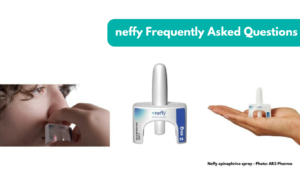
neffy Frequently Asked Questions
neffy Nasal Epinephrine Spray – Frequently Asked Questions Big news in allergy treatment! In August [...]
4 Comments
Apr
Thank you, I have made the correction. Kind regards, Cathy
Please cam anyone tell me how lpmg the rash continues after an anaphyletic attack..i am on my 4th day after treatment and am taking antihystmines. The rash isnt ichy anymore but looks more ir less the same with a little reduction in the redness. Thank you
I was in Lydal one day and they had a container with scoops containing s variety of nuts these were left uncovered as the covers were broken I of course reported this and weeks later just the same android was not only in one store
Thank you very informative my granddaughter suffers from the condition I feel the more aware of the dangers the better thank you x