
Allergy Blog
Alcohol and Allergies: Why Your Drink Might Be Triggering a Reaction
Feb
Dealing with an Alcohol Allergy
For many, a glass of wine or a cold beer is a way to unwind. However, for members of the allergy community, reactions after drinking are not always caused by alcohol itself. Sometimes it may be a true alcohol allergy or intolerance, but often it’s a reaction to hidden food allergens within the drink. An alcohol allergy or intolerance can sometimes lead to a stuffy nose, facial flushing, or even a severe asthma flare-up. While a true alcohol allergy is rare, alcohol-induced hypersensitivity affects about 10% of people. At Allergy Lifestyle, we want to help you understand your triggers so you can enjoy your parties and socialise safely.
Is it an Alcohol Allergy or an Intolerance?
People often mix these up, but they happen for different reasons:
Alcohol Allergy: An immune system overreaction to ingredients in the drink, such as grapes, yeast, or hops.
Alcohol Intolerance: A metabolic issue where your body lacks the enzyme to break down alcohol properly, often causing “Asian Flush”.
Identifying Common Food Allergens in Alcoholic Drinks
If you have food allergies, it is important to consider these potential food allergen triggers when consuming alcohol.
- Pine nuts in craft beer
- Almonds in some gins such as Beefeater and Bombay Sapphire
- Dairy in Cream liquors, White Russians or Pina Coladas
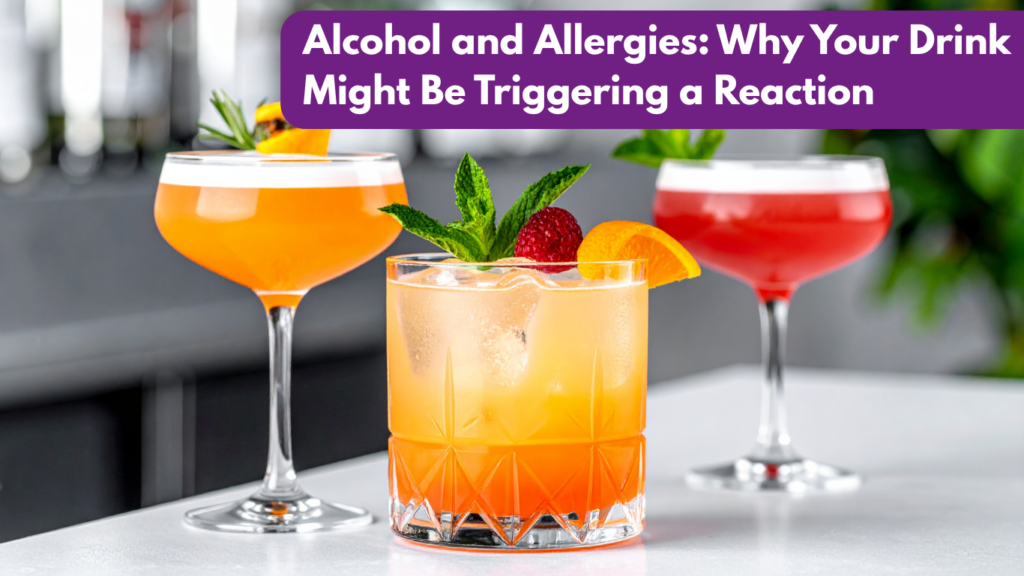
- Egg white – Whiskey Sour or other cocktails with white froth may contain raw egg white
- Egg White – To salt or sugar rim cocktail glasses
- Chickpea Liquid (Aquafaba or Garbanzo) – may be used as an egg substitute to create white froth in cocktails such as Passionfruit Martini or Gin Fizz
- Gluten in beers & spirits
- Sulphites & Histamines in wine and beers
- Sodium benzoate in soft drinks, wine & beer
Why Alcohol Can Make Other Allergies Worse
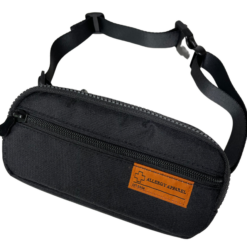
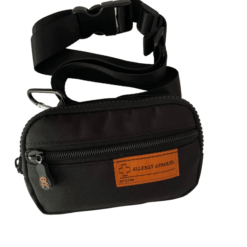
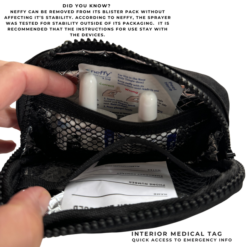
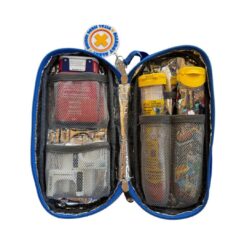
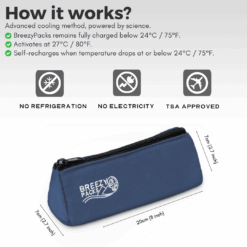
This is the most important part: Alcohol is a “co-factor.” It can lower your “allergic threshold,” meaning you might have a severe reaction to a food (like nuts) that usually only causes a mild tingle. Alcohol widens your blood vessels, allowing allergens to enter your bloodstream faster.Safety Note: Research shows alcohol is involved in up to 30% of severe anaphylactic reactions in adults. If you’re at risk, always carry your EpiPen in a protective case to ensure it’s ready when you need it.
Understanding The Histamine Headache
If red wine makes you sneeze, histamines are likely to blame, as fermented drinks are naturally high in them. Red wine has much higher histamine levels than white wine or clear spirits like vodka.
Sulfites, Asthma, and Your Alcohol Allergy
Stay Prepared: If you’re heading out, keep your inhaler safe and temperature-protected in one of our insulated asthma cases.
How to Stay Safe with an Alcohol Allergy
Navigating a night out requires a bit of strategy to avoid a reaction:
Choose Clear Spirits: Vodka and gin usually have fewer additives and histamines than darker drinks.
Check the Ingredients: Cocktails often contain hidden allergens like egg whites, cream, or almond syrups.
Wear Medical alert key chain: In a loud bar, a Medical alert key chain can speak for you if you can’t.
Read More: Check out our guide on Dating with Allergies for more tips on navigating social scenes.
Research & Peer-Reviewed References for alcohol allergy:
- Alcohol & Allergic Rhinitis (2025): Frontiers in Nutrition – Association between alcohol consumption and allergic rhinitis
- Alcohol as a Cofactor (2024/2025): International Archives of Allergy and Immunology – Nut-induced anaphylaxis study
- Cofactors in Anaphylaxis: PMC8342881 – Food allergies and food-induced anaphylaxis: role of cofactors
- Genetic Determinants: PubMed – Alcohol hypersensitivity and metabolism genetics
FAQ
1. How does alcohol affect the severity of my other food allergies?
Alcohol acts as a “co-factor,” which means it can lower your “allergic threshold.” Even if you usually only have a mild reaction to a specific food (like a slight tingle from nuts), consuming alcohol can cause that same food to trigger a much more severe or even life-threatening anaphylactic reaction. This happens because alcohol widens your blood vessels, allowing allergens to enter your bloodstream much faster than usual.
2. Is a reaction to red wine a true alcohol allergy or something else?
Most reactions to red wine are actually due to histamines or sulfites rather than an allergy to the alcohol itself. Red wine is naturally high in histamines (the result of the fermentation process), which can cause sneezing, headaches, and nasal congestion. Additionally, red wine often contains sulfites used as preservatives, which can trigger asthma-like symptoms such as wheezing or a tight chest in sensitive individuals.
3. Why do my hay fever and seasonal allergies seem worse after drinking?
Alcohol contains histamine, the same chemical your body releases during an allergic reaction. When you drink, you are essentially adding more histamine to your system. Furthermore, alcohol is a vasodilator, meaning it opens up your blood vessels. This can increase blood flow to the nasal passages, making congestion and “stuffiness” much more intense for people who already suffer from pollen or dust allergies.
Science Reference: (Texas Health Resources: Does Alcohol Make Your Allergies Worse? Journal of Allergy and Clinical Immunology: Alcohol consumption and the risk of allergic rhinitis)
4. Can alcohol trigger an asthma flare-up?
Yes, it’s quite common. Research shows that about 1 in 3 people with asthma find that alcohol triggers their symptoms. This is usually due to two specific culprits: sulfites (preservatives found in wine and beer) and histamines. These substances can cause the airways to tighten (bronchoconstriction), leading to wheezing or shortness of breath. For some, even just a few sips of red wine can cause an immediate reaction.
Science Reference: (Asthma + Lung UK: Alcohol and Asthma ,PubMed (National Library of Medicine): Allergic and asthmatic reactions to alcoholic drinks)
5. Can I suddenly develop an alcohol “allergy” as an adult?
While a “true” allergy to the ethanol molecule itself is rare, you can definitely develop an intolerance later in life. As we age, our bodies may produce less of the enzymes (like ALDH2) needed to break down alcohol efficiently. Additionally, changes in your immune system or new sensitivities to ingredients like yeast, hops, or grape proteins can emerge at any time, even if you’ve enjoyed those drinks for years without an issue.
Check our Latest products!

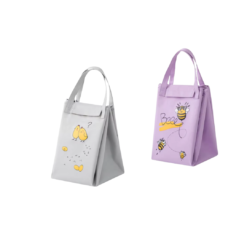
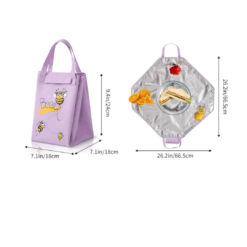
Allergy Friendly Lunch Bag
Allergy-Friendly Insulated Lunch Bag with Fold-Out Eating Surface


Allergy Shop